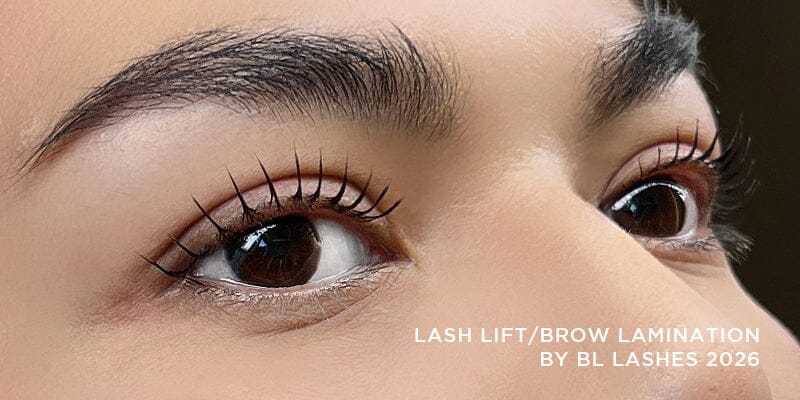



At first, it looks like mascara.
Slightly clumped, sharply defined, with that freshly applied, lightly reflective finish.
But it is not mascara.
And that is exactly why people pay attention.
Wet look lashes began gaining popularity around 2019–2020, as lash artists started experimenting with texture — combining spikes and narrow fans to mimic that fresh mascara effect.
They recreate that freshly applied mascara effect through controlled spacing, narrow fans, and precise placement.
So what exactly makes this look different from a regular lash set?
What is Wet Look?

Wet look lashes mimic the effect of freshly applied mascara.
They appear:
- Slightly grouped
- Clearly defined
- Structured rather than fluffy
The key difference lies here:
- Volume = density-driven
- Wet look = texture-driven (volume technique variation)
Wet look is not a completely different method.
It is a variation of volume technique focused on how the texture is seen, not how full it looks.
Instead of wide fans, artists use:
- Semi-closed fans
- Narrow volume fans
This keeps each spike visible, separated, and intentional.
Key Techniques (Salon Application)

Wet look lashes are built around spike structure, not fullness.
This is where most artists lose the wet effect.
Core Principles
1. Structure → Clean spikes
- Use semi-closed, narrow fans
- Too open → becomes volume
- Too closed → looks stiff
2. Contrast → Visibility of texture
- Spikes must stand out
- This can be achieved through spacing or density contrast
3. Control → Balanced irregularity
- Slight unevenness creates natural texture
- Too even → flat
- Too random → messy
Technical Details
- Spike structure: semi-closed fans
- Mapping mindset: think in spikes, not fan count
- Texture: grouped but separated
- Length contrast: controlled, not extreme
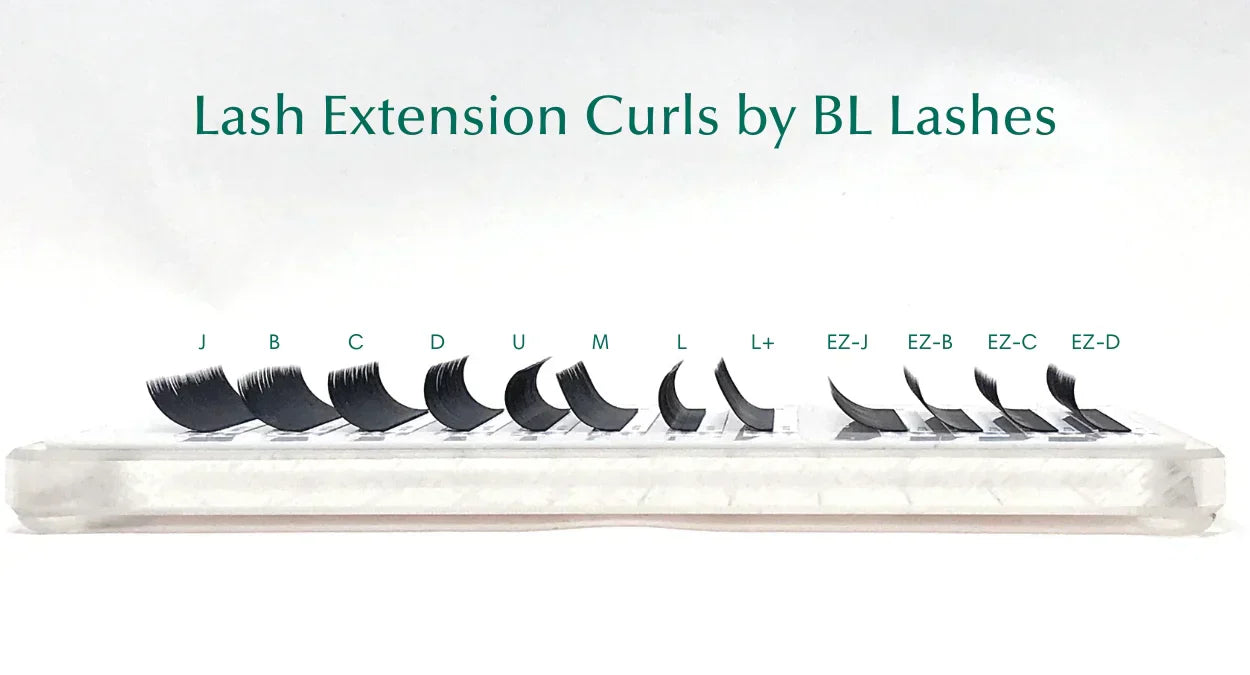
- Curl: C / CC / D (L, M also used for lifted looks)
- Weight vs shape: shape retention is more critical than weight alone
* Key indicator: Each spike must read as one clean, visible unit.
Common Mistakes
-
Fans too open → turns into volume
→ spikes lose isolation -
No contrast → texture disappears
→ lashes blend into a dense line -
Excessive length contrast → messy finish
→ breaks structure balance
“If spikes are not clearly defined, it is no longer a wet look.”

Compared to softer volume sets,
wet look styles are more sensitive to retention issues.
Even slight lifting or adhesive breakdown
can disrupt the clean spike structure.
This means that maintaining structure is not just about technique,
but also about how well the lashes are prepared and stabilized.
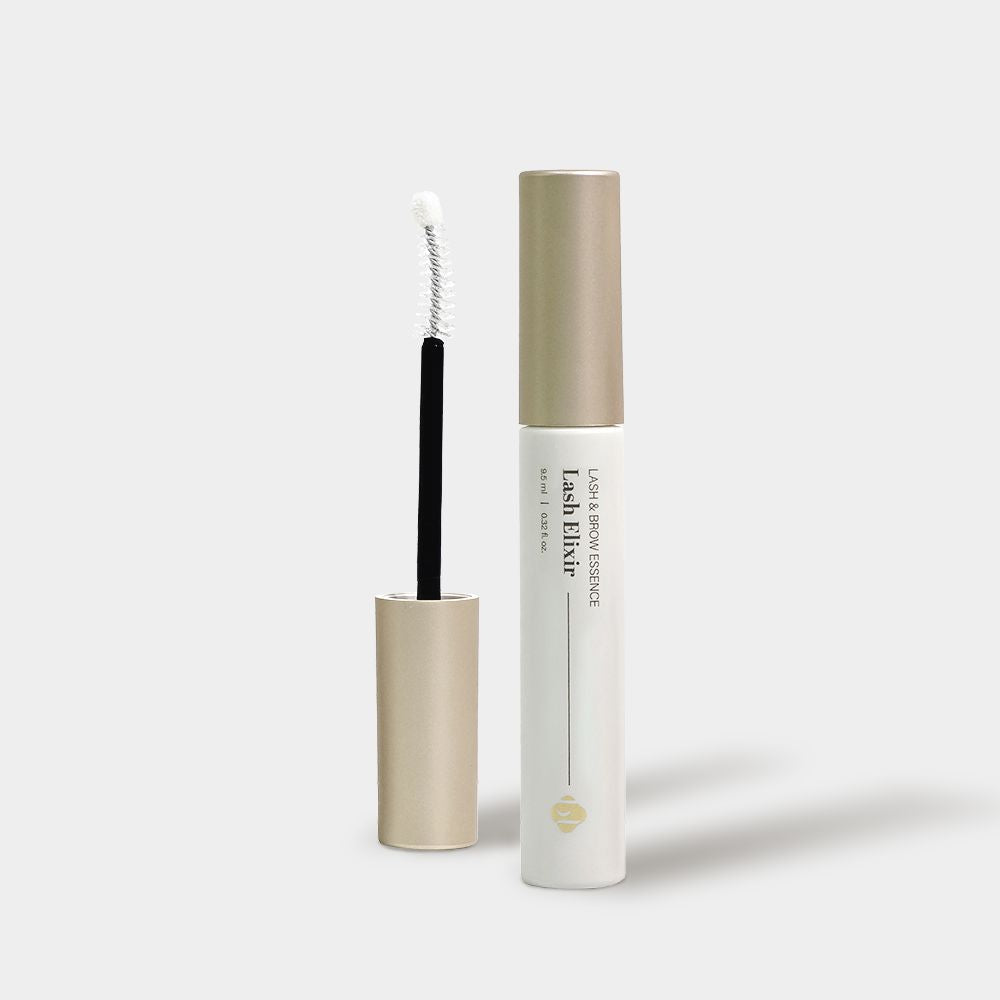
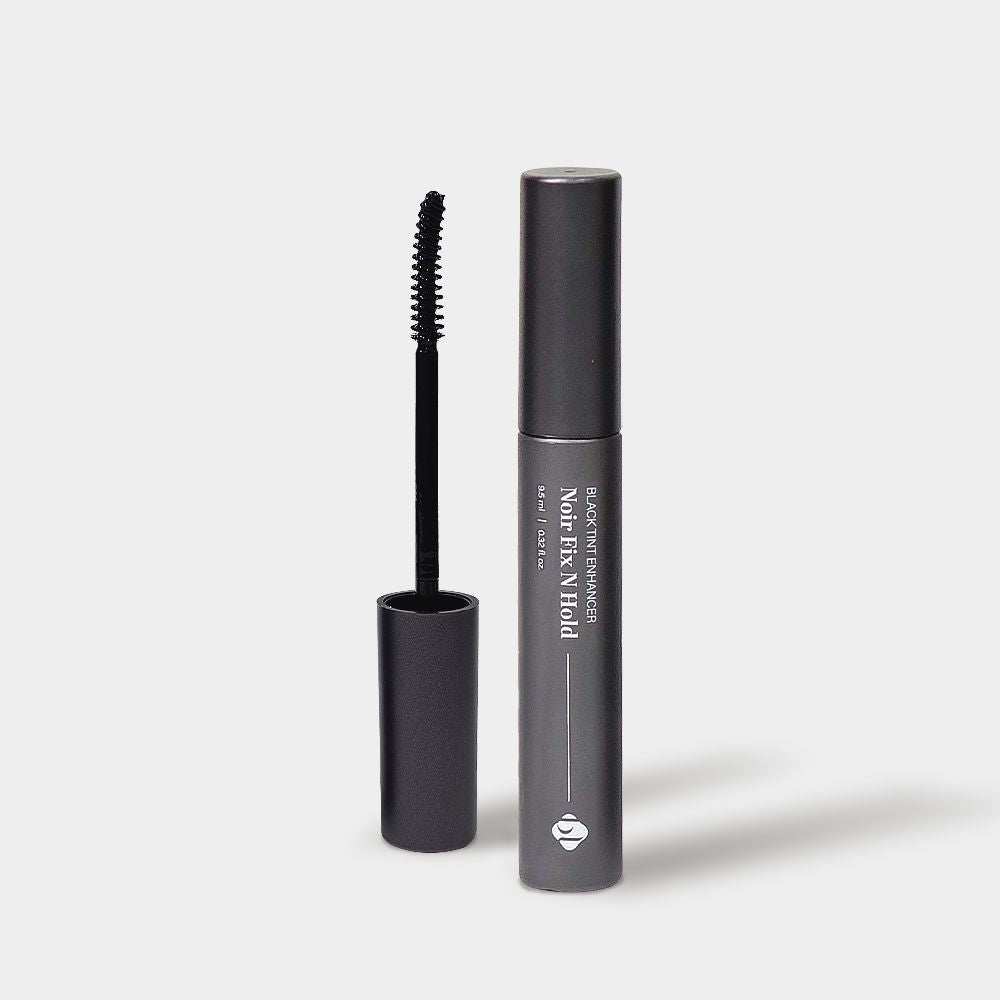
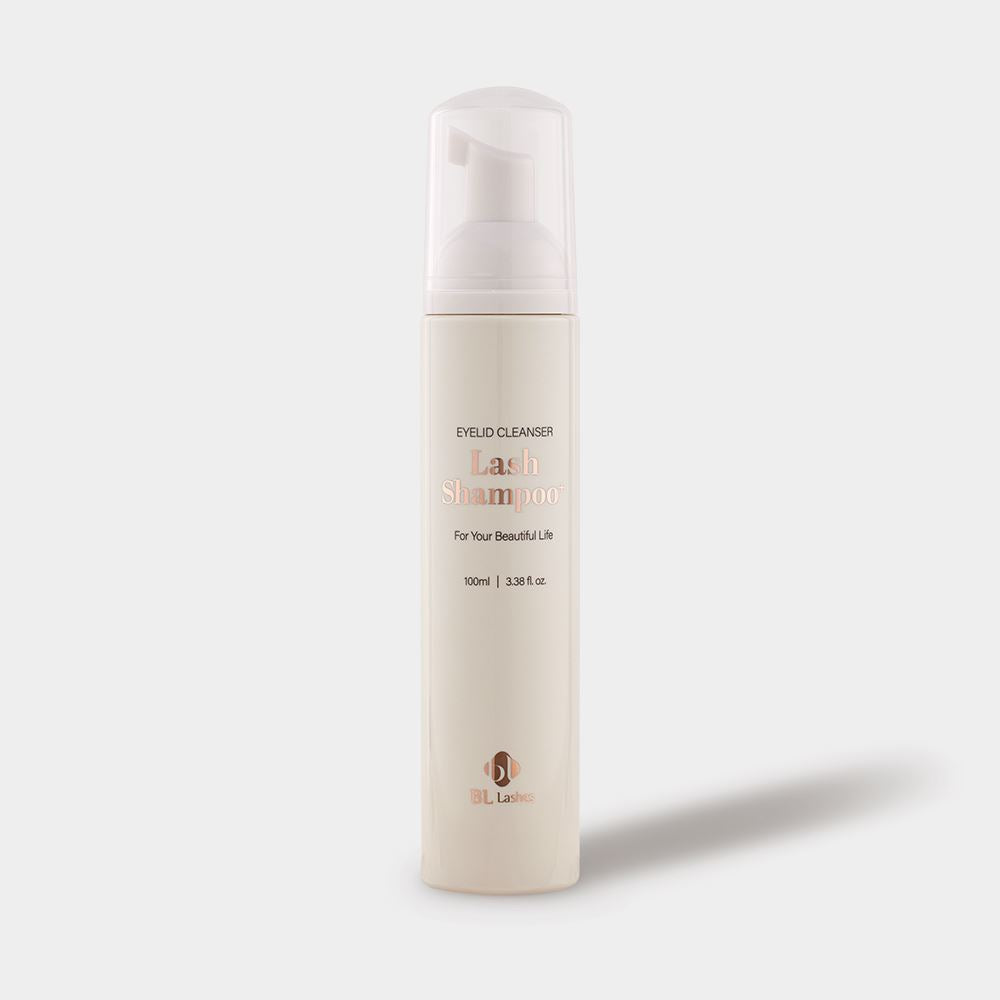
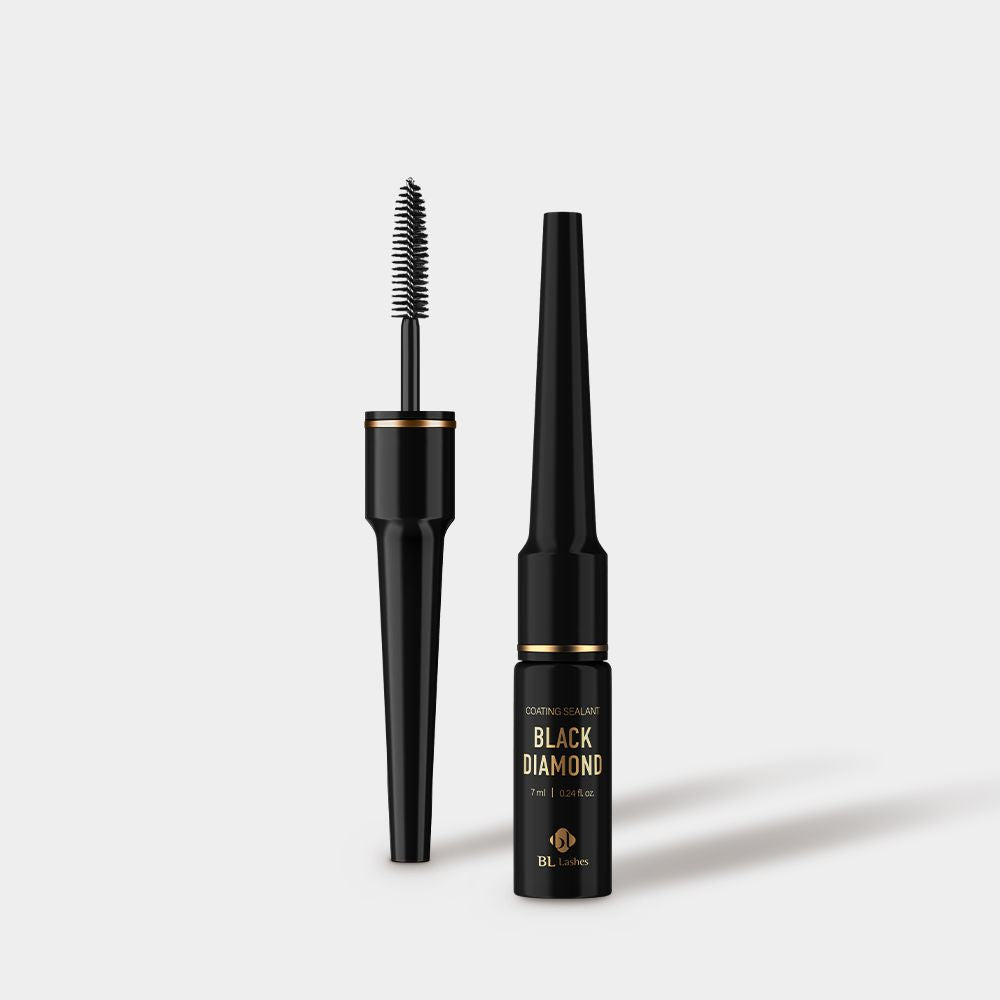
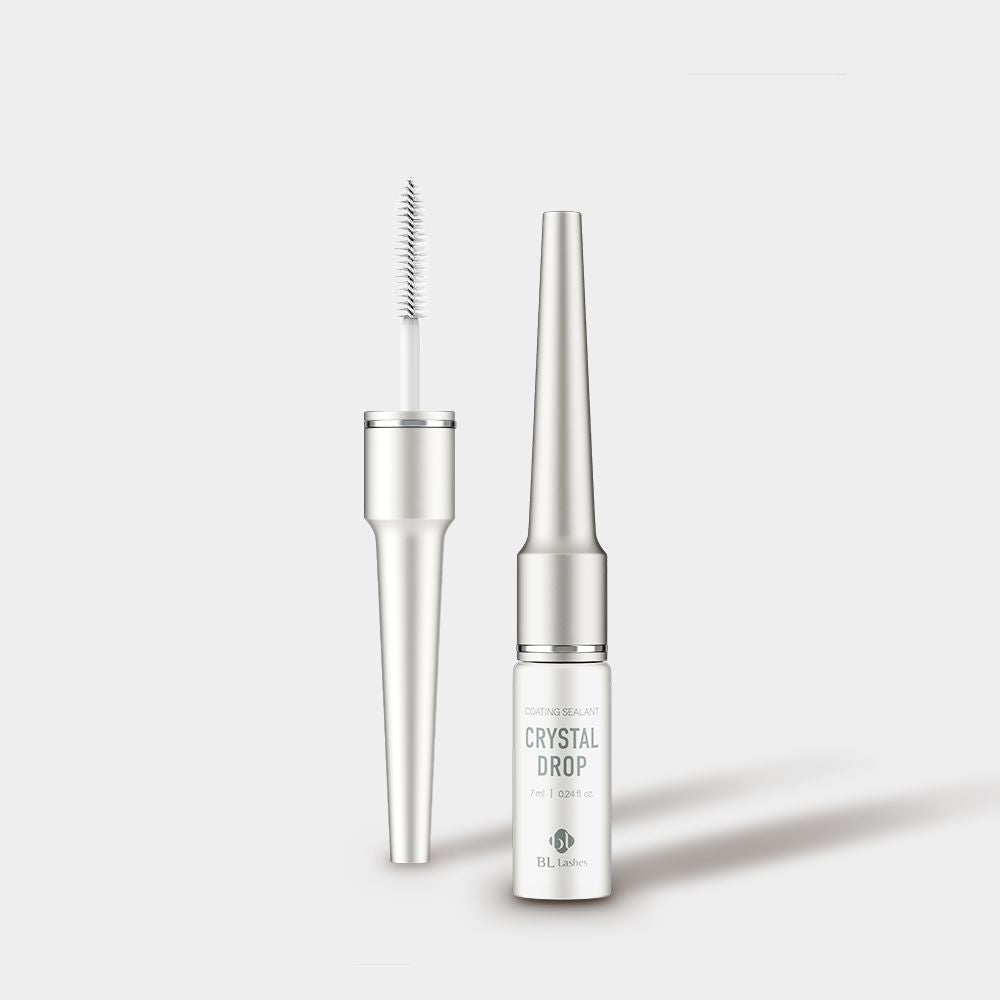
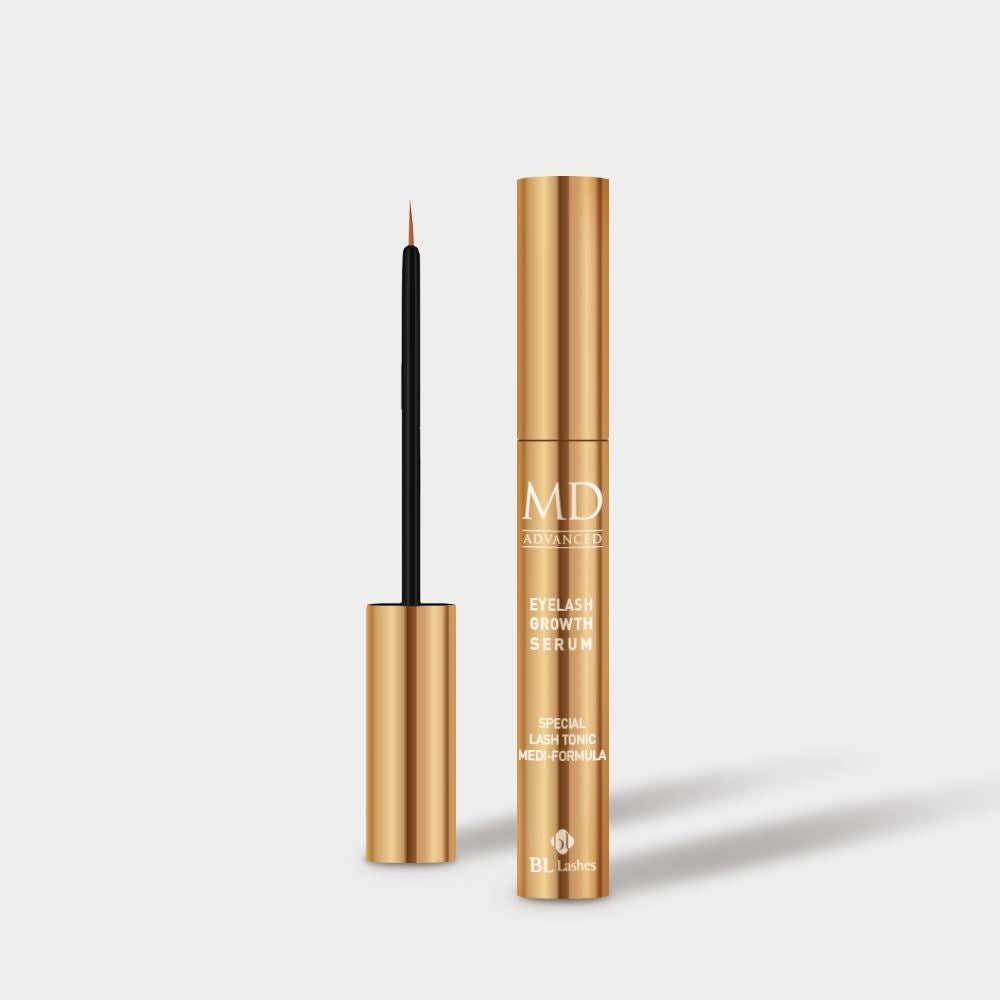
Proper use of a lash primer and a bonder can help improve adhesion consistency
and preserve the spike definition throughout the set.
This is where proper retention support becomes critical.
Lash Mapping

Wet look mapping is about texture placement, not fullness.
Basic Process
- Create a light base layer - Natrual / Doll Eye / Cat Eye
- Place spikes intentionally
- Maintain contrast and balance
Key Guidelines
- Spikes typically cover 30–50% of the lash line
→ can vary depending on style intensity - Avoid uniform distribution
- Create rhythm, not repetition
Pro Insight:
- Center: slightly stronger spikes
- Inner/outer: softer transitions
- This creates a natural “mascara rhythm”
Not all lashes can hold this structure.
Choosing the right lash type is what determines whether the wet look stays clean or collapses.
Recommended Lash Types for Wet Look
In wet look sets, lash type affects control and consistency.
Because the style depends on narrow spikes, lashes must:
- Hold shape well
- Stay narrow during placement
- Maintain structure over time
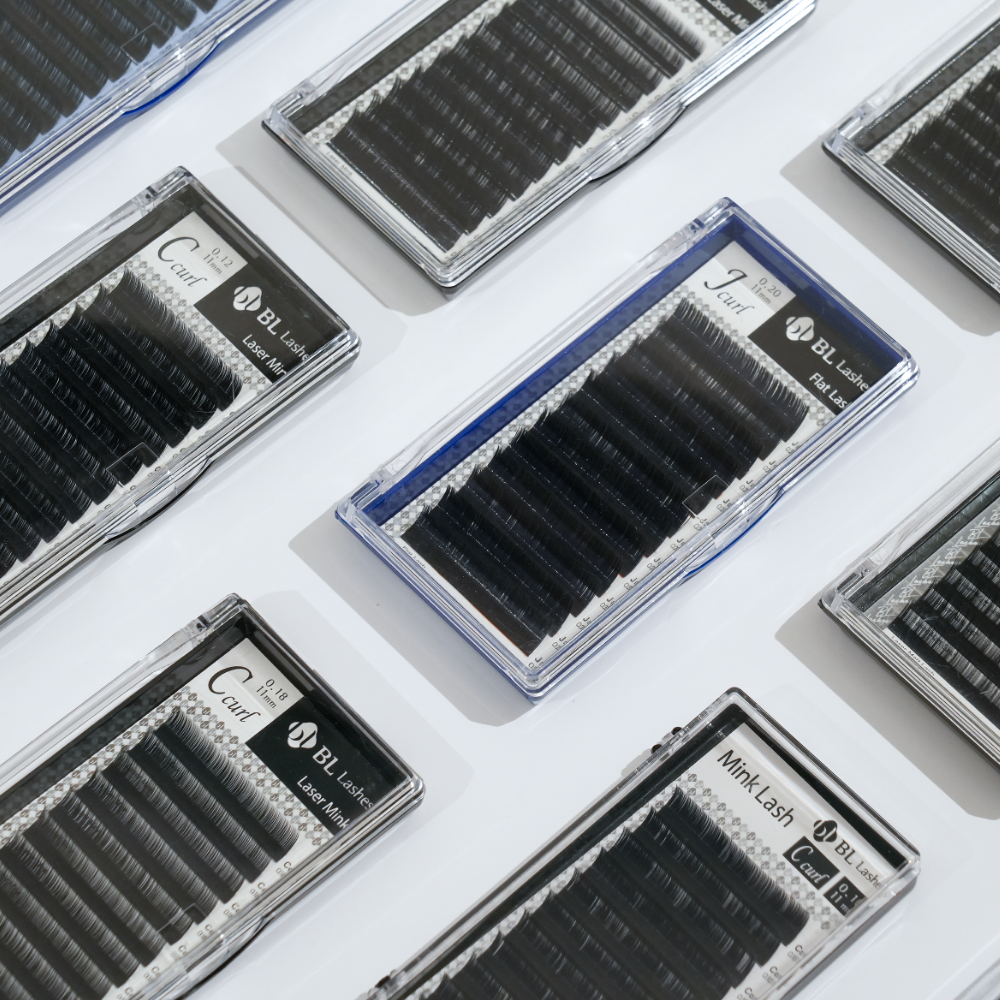
Common Choices
-
Flat lashes
→ Enhance lash line definition
→ Clean base, but spike sharpness depends on technique

-
Easy fanning lashes
→ Help create consistent narrow fans
→ Improve spike control

-
Lightweight volume lashes
→ Allow flexibility in texture adjustment

Important:
The most critical factor is not weight,
but how well the lash maintains its shape (shape retention).
Each type works a little differently, but they all help create a cleaner, more defined, mascara-like finish.
Final Takeaway
Wet look lashes are not about volume.
They are about precision and control.
- Clean spikes
- Controlled contrast
- Intentional placement
When these align,
the result naturally mimics that defined mascara finish clients are asking for.
Wet look = Texture over density